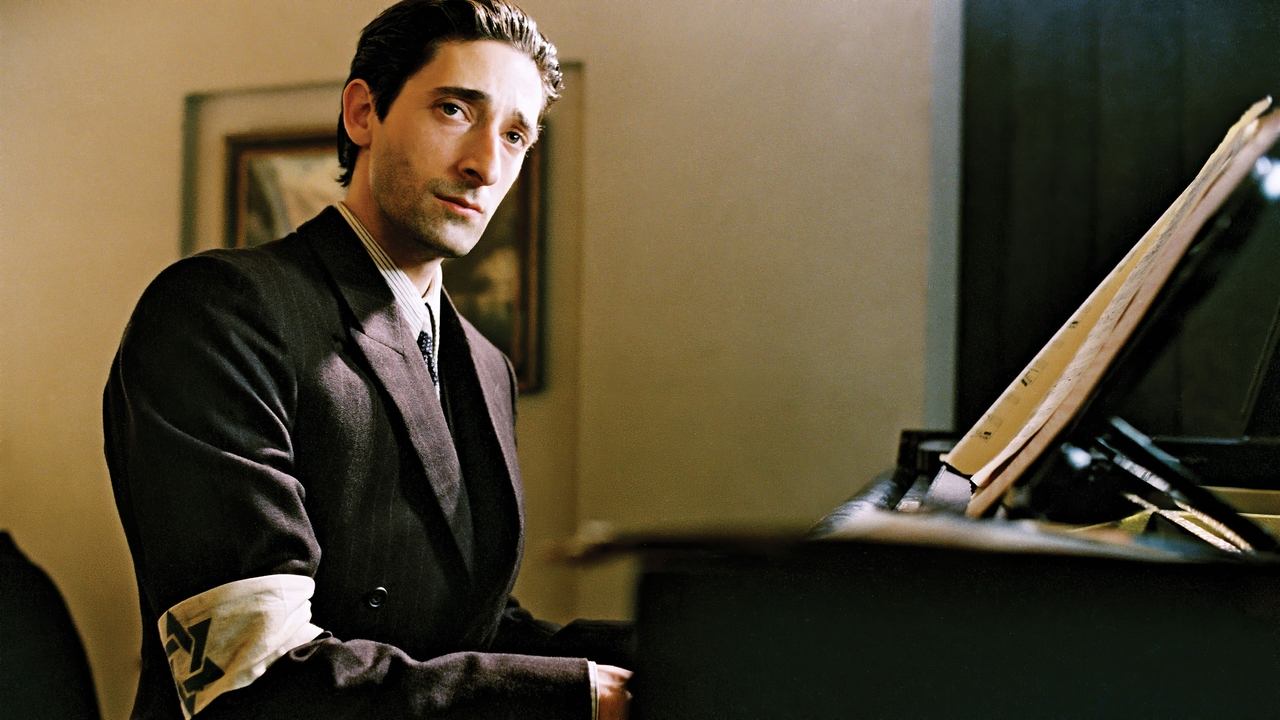
 MOTHER
Good, they're here. Yitzchak Heller's been waiting for you, Henryk.
 HENRYK
What's this about?
MOTHER
Sit down, have tea, I'll start lunch when the girls get back.
HENRYK
So, what are you doing here?
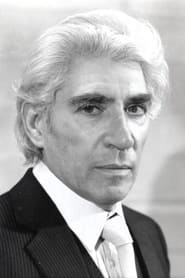 FATHER
He brought cakes. His father's back in the jewellery business and doing well, isn't that so, Yitzchak? Amazing. Jewellery.
H HELLER
We're recruiting.
HENRYK
Who's recruiting?
H HELLER
Don't be clever with me, Henryk. I've come here as a friend. They're bringing Jews in from all over the country. Soon there'll be half a million people in the ghetto. We need more Jewish police...
HENRYK
Oh? More Jewish police? You mean you want me to wear a cap like yours, beat up Jews with my truncheon and catch the Gestapo spirit. I see!
H HELLER
Someone's got to do it, Henryk.
HENRYK
But why me? I thought you only recruited boys with rich fathers. Look at my father, look at us, I mean...
H HELLER
Yes, I'm looking at you and that's why I'm here. Your whole family can have a better life. You want to go on struggling for survival, selling books on the street?
HENRYK
Yes, please.
H HELLER
I'm doing you people a favour. And what about you, Wladek? You're a great pianist. And we've got an excellent police jazz band. They'd welcome you with open arms. Join us. You've got no work!
S SZPILMAN
Thank you. But I've got work.
MOTHER
Please, tonight, for once, I don't want anything bad talked about. Let's enjoy our meal.
HENRYK
Fine, then I'll tell you something funny. You know who I mean by Dr. Raszeja?
HENRYK
The surgeon. Well, for some reason, don't ask me why, the Germans allowed him into the ghetto to perform an operation...
H HALINA
On a Jew? They allowed a Pole to come in to operate on a Jew?
HENRYK
Who's complaining? He got a pass, that's all I know. Anyway, he puts the patient to sleep and starts the operation. He'd just made the first incision when the SS burst in, shoot the patient lying on the table, and then shoot Dr. Raszeja and everybody else who was there. Isn't that a laugh? The patient didn't feel a thing, he was anaesthetised.
MOTHER
I said nothing bad, Henryk.
HENRYK
What's the matter with you all? Have you lost your sense of humour?
S SZPILMAN
It's not funny.
HENRYK
Well, you know what's funny? You're funny with that ridiculous tie.
S SZPILMAN
What are you talking about, my tie? What's my tie got to do with anything? I need the tie for my work.
HENRYK
Your work? Yes, yes, work. Playing the piano for all the parasites in the ghetto.
HENRYK
Parasites.
MOTHER
Boys, boys
HENRYK
They don't give a damn about people's suffering.
S SZPILMAN
You blame me for their apathy, right?
HENRYK
I do, because I see it every day. They don't even notice what's going on around them.
FATHER
[Finishing the counting]
Five thousand and three.
MOTHER
Is that all?
FATHER
Yes, five thousand and three zlotys, that's all we've got left.
R REGINA
It's three thousand and three zlotys too much,
[Reading from newspaper)
'Re: Further restrictions regarding liquid assets: Jews will be allowed to keep a maximum of two thousand zlotys in their homes.'
MOTHER
What are we supposed to do with the rest?
H HALINA
Deposit it in a bank. Blocked account.
HENRYK
Banks? Who'd be stupid enough to deposit money in a German bank?
H HALINA
We could hide the money. Look here. Can hide the money in flowerpot.
FATHER
No, no, no. I'll tell you what we'll do. We'll use tried and tested methods. You know what we did in the last war? We made a hole in the table leg and we hid the money in there.
HENRYK
And suppose they take the table away?
MOTHER
What d'you mean, take the table away?
HENRYK
The Germans go into Jewish homes and they just take what they want, furniture, valuables, anything.
MOTHER
Do they?
FATHER
Idiot! What would they want with a table?
MOTHER
[He pokes his finger under the veneer. It snaps, revealing bare wood beneath.]
What on earth are you doing?
PT Production team and cast
I always wanted to make a film about that period and I had a very hard time finding the proper material. When I read "The Pianist", I knew right away that, that's something I wanted to.. to do. And the reason was that the description of the events was extremely accurate. And that's because it was written immediately after the war. I don't think that somebody who writes a book about the events 20 or 30 years later can have the same type of recollections, the same type of detail which was vividly true to me, a child of the same period.