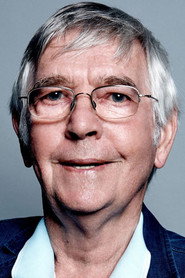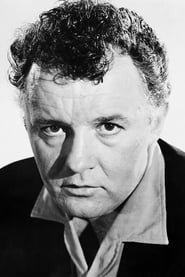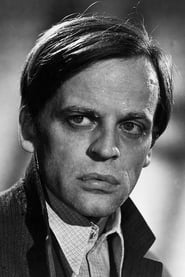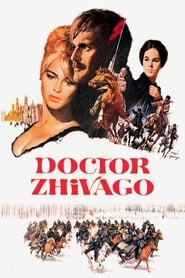
 Yevgraf Zhivago
In bourgeois terms it was a war between the Allies and Germany. In Bolshevik terms it was a war between the Allied and German upper classes - and which of them won was a matter of indifference.
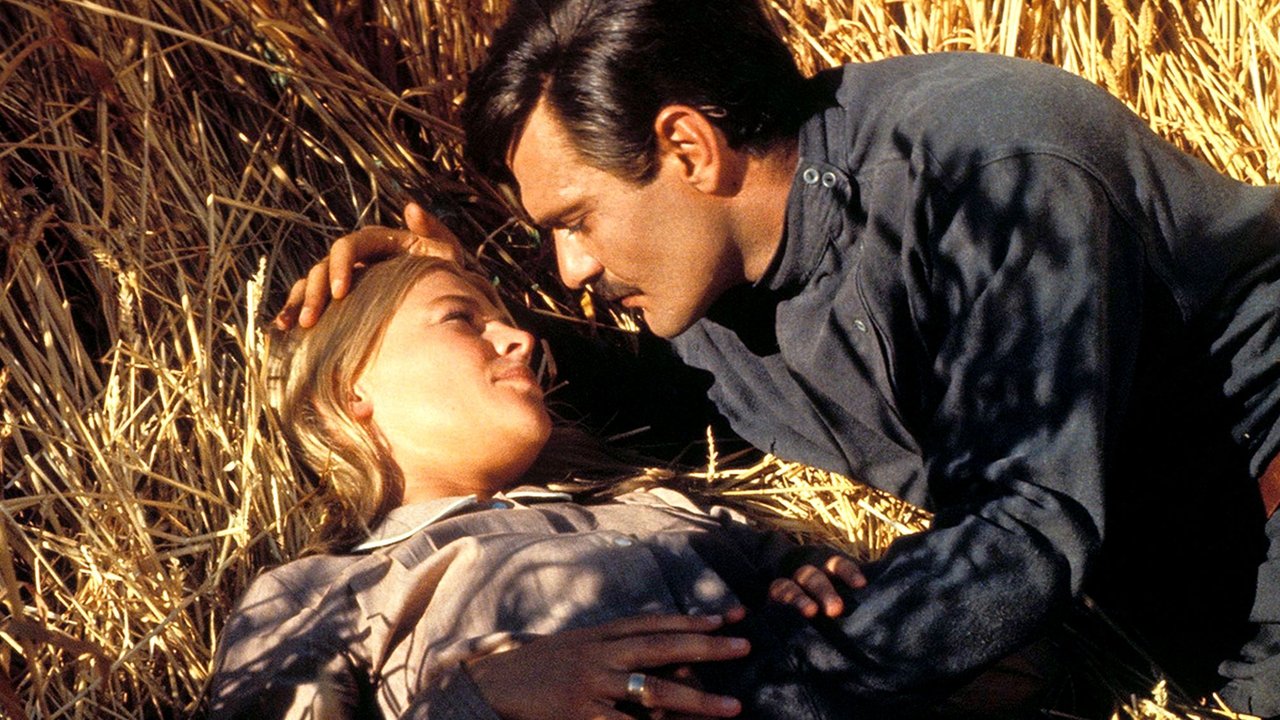
Most-quoted character in Doctor Zhivago (1965): in 16 of its 36 quotes
A line from Yevgraf ZhivagoThe Party looked to the conscript peasants. Most of them were in their first good pair of boots. When the boots wore out, they'd be ready to listen. When the time came, I was able to take three battalions with me out of the front lines; the best day's work I ever did.
Yevgraf Zhivago In bourgeois terms it was a war between the Allies and Germany. In Bolshevik terms it was a war between the Allied and German upper classes - and which of them won was a matter of indifference.
Yevgraf Zhivago They [the warring powers] were shouting for victory all over Europe—praying for victory to the same God. My task—the Party's task—was to organize defeat. From defeat would spring the Revolution...and the Revolution would be victory for us
Yevgraf Zhivago Happy men don't volunteer. They wait their turn, and thank god if their age or work delays it.
Yevgraf Zhivago Even Comrade Lenin underestimated both the anguish of that nine hundred mile-long front, and our cursed capacity for suffering.
Yevgraf Zhivago I told myself it was beneath my dignity to arrest a man for pilfering firewood. But nothing ordered by the Party is beneath the dignity of any man. And the Party was right: one man desperate for a bit of fuel is pathetic; five million people desperate for fuel will destroy a city.
Yevgraf Zhivago That was the first time I ever saw my brother. But I knew him. And I knew I would disobey the Party. Perhaps it was the tie of blood between us, but I doubt it; we were only half-tied anyway, and brothers will betray a brother. Indeed, as a policeman I would say get hold of a man's brother and you're half-way home. Nor was it admiration for a better man than me. I did admire him; but I didn't think he was a better man. Besides, I've executed better men than me with a small pistol.
Yevgraf Zhivago She'd come to Moscow to look for her child. I helped her as best I could, but I knew it was hopeless. I think I was a little in love with her. One day she went away and didn't come back. She died or vanished somewhere, in one of the Labour Camps. A nameless number on a list that was afterwards mislaid. That was quite common in those days.
Yevgraf Zhivago But if people love poetry, they love poets. And nobody loves poetry like a Russian.
If they were to give me two more excavators, I'd be a year ahead with the plan by now.
You're an impatient generation.
Weren't you?
Yes, we were. Very. Oh, don't be too impatient, Comrade Engineer; we've come very far, very fast.
Yes, I know that Comrade General.
Yes, but do you know what it cost..? There were children in those days who lived off human flesh, did you know that?
Yevgraf This is a new edition of the Lara poems.
Yes, I know. We admire your brother very much.
Yevgraf Yes, everybody seems to.. now.
Well, we couldn't admire him when we weren't allowed to read him...
Yevgraf ...No.
I'm not your neice, Comrade General.
Yevgraf Well, I'm nobody's idea of an uncle, but if this man were my father, I should want to know.
Yevgraf "By the second winter of the war, the boots had worn out. . . but the line still held. Their great coats fell to pieces on their backs. Their rations were irregular. Half of them went into action without arms, led by men they didn't trust."
Come on, you bastards!
Yevgraf "And those they did trust. . ."
Come on! Comrades! Earth-shakers! SHOW THEM!!! CHARGE!
Yevgraf "At last, they did what all the armies dreamed of doing - they began to go home. That was the beginning of the Revolution."
Yevgraf "I told them who I was. The old man was hostile, the girl, cautious. My brother.. seemed very pleased. I think the girl was the only one who guessed at their position."
You're just as I imagined you. You're my political conscience.
Yevgraf "I asked him - hadn't he one of his own? [laughs] And so he talked about the revolution."
You lay life on a table and you cut out all the tumours of injustice. Marvellous.
Yevgraf "I told him if he felt like that he should join the party."
Ah, but cutting out the tumours of injustice - that's a deep operation. Someone must keep life alive while you do it. By living. Isn't that right?
Yevgraf "I thought then it was wrong. He told me what he thought about the party and I trembled for him. He approved of us, but for reasons which were subtle, like his verse. Approval such as his could vanish overnight. I told him so."
Well, of course I can't approve this evening something you may do tomorrow.
Yevgraf "He was walking about with a noose round his neck and didn't know. So I told him what I'd heard about his poems."
Not.. liked? Not liked by whom? Why not liked?
Yevgraf "So I told him that."
Do you think it's "personal, petit-bourgeoise and self-indulgent"?
Yevgraf "I lied. But he believed me, and it struck me through to see that my opinion mattered. The girl knew what it meant, what it was going to mean. They couldn't survive what was coming in the city. I urged them to leave and live obscurely somewhere in the country where they could keep themselves alive."
We have - used to have - an estate at Varykino, near Yuriatin. People know us there.
Yevgraf "He didn't resist. I offered to obtain permits, passes, warrants; I told them what to take, and what to leave behind. I had the impertinence to ask him for a volume of his poems. And so we parted. I think I even told him that we would meet again in better times... but perhaps I didn't."
Yevgraf This man was your father. Why won't you believe it? Don't you want to believe it?
Not if it isn't true.
Yevgraf That's inherited...
Yevgraf Tonya - can you play the balalaika?
Can she play?! She's an artist!
Yevgraf And who taught you?
No-one taught her!
Yevgraf Ah.. then it's a gift.