A River Runs Through It 1992 quotes, page 2

37 quotes · 3 characters
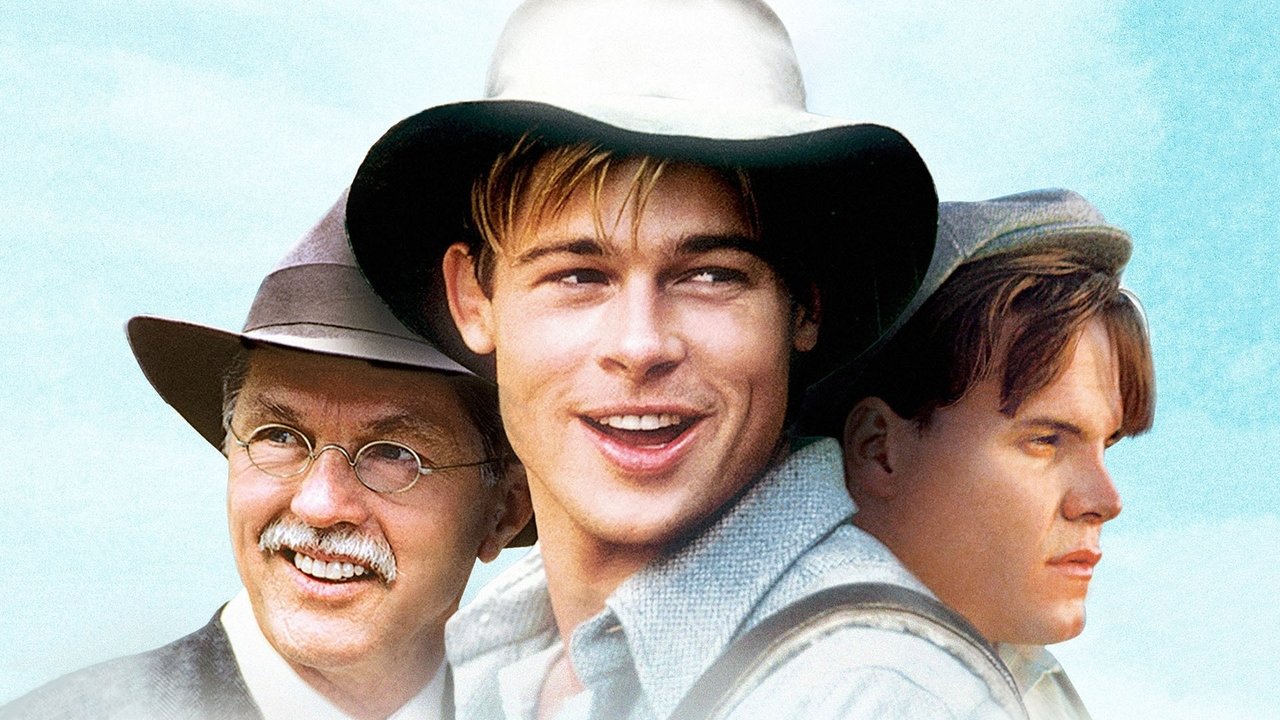
A River Runs Through It (1992) poster
Characters
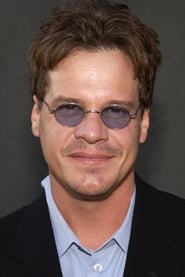
Norman Maclean Craig Sheffer · 12 quotes
Paul Vann Gravage · 3 quotes
Rev. Maclean 1 quote

Most scenes together: Norman Maclean & Paul (2)

A River Runs Through It quotes

Page 2 of 3
[narrating]

As time passed, my father struggled for more to hold on to, asking me again and again: had I told him everything. And finally I said to him, "maybe all I really know about Paul is that he was a fine fisherman." "You know more than that," my father said; "he was beautiful." And that was the last time we ever spoke of my brother's death.

[narrating]

Like many fly fishermen in western Montana where the summer days are almost Arctic in length, I often do not start fishing until the cool of the evening. Then in the Arctic half-light of the canyon, all existence fades to a being with my soul and memories and the sounds of the Big Blackfoot River and a four-count rhythm and the hope that a fish will rise. Eventually, all things merge into one, and a river runs through it. The river was cut by the world's great flood and runs over rocks from the basement of time. On some of those rocks are timeless raindrops. Under the rocks are the words, and some of the words are theirs. I am haunted by waters.

[narrating]

My father was very sure about certain matters pertaining to the universe. To him, all good things - trout as well as eternal salvation - came by grace; and grace comes by art; and art does not come easy.

[narrating]

That was the only time we fought. Perhaps we wondered after which one of us was tougher. But if boyhood questions aren't answered before a certain point, they can't be raised again. So we returned to being gracious to one another, as the church well suggested.

[narrating]

My father looked at me for a long time, just looked at me and this was the last he and I ever said to me about Paul's death. Indirectly though, he was present in many of our conversations. Once for instance, my father asked me a series of questions that suddenly made me wonder if I understood even my father, whom I felt closer to than any man I have ever known, "you like to tell true stories" he asked and I answered, "Yes, I like to tell stories that are true." Then he asked, "after you have finished your true stories sometime, why don't you make up a story and the people to go with it, only then will you understand what happened and why. It is those we live with and love and should know who elude us."

After Norman gets his job offer letter from the University of Chicago, he goes into the house to find his father reading aloud in his study. Norman and Reverend John Maclean recite various excerpts strung together from the poem "Ode: Intimations of Immortality" by William Wordsworth:
(Our birth is but a sleep and a forgetting
The Soul that rises with us, our life's Star,)
Hath had elsewhere its setting,

And cometh from afar

Not in entire forgetfulness,
And not in utter nakedness,
But trailing clouds of glory do we come
From God, who is our home.
Though nothing can bring back the hour
Of splendor in the grass, of glory in the flower;
We will grieve not, rather find
Strength in what remains behind;
In the primal sympathy
Which having been must ever be;
In the soothing thoughts that spring
Out of human suffering;
In the faith that looks through death,
Thanks to the human heart by which we live,
Thanks to its tenderness, its joys, and fears,
To me the meanest flower that blows can give
Thoughts that do often lie too deep for tears."

After Paul's death, the Reverend John Maclean searches for answers that he seems unable to find in his beliefs:
Reverend Maclean: Is there anything else you can tell me?
Norman Maclean: Nearly all the bones in his hand were broken.
The Reverend Maclean rises from the table to leave, digesting what Norman has told him, then pauses and continues:
Reverend Maclean: Which hand?
Norman Maclean: His right hand.
After some time has gone by:
Older Norman - [narrating]:

As the film begins, we see the rippling water of a river, and then the hands of an old man tying a fly:
Older Norman - [narrating]:

Each one of us here today will at one time in our lives look upon a loved one who is in need and ask the same question: We are willing to help, Lord, but what, if anything, is needed? For it is true we can seldom help those closest to us. Either we don't know what part of ourselves to give or, more often than not, the part we have to give is not wanted. And so it is those we live with and should know who elude us. But we can still love them - we can love completely without complete understanding.

First we see young Norman and Paul fishing, then older Norman remembering as he fishes alone:
Older Norman - [narrating]:

From the scene "Double Dating":
Norman Maclean:
My candle burns at both ends; it will not last the night. But ah my foes, and oh my friends - it gives a lovely light.

From the scene "Sending Neal Off", after the see Neal off on the train back to Hollywood, Jessie laments that her brother is a lost soul, and she and Norman take a quite walk in the woods:
Jessie Burns: If he came back next summer, would you try and help him?
Norman Maclean: If you wanted me to.
Jessie Burns: Well he's not coming back.
Norman Maclean: Well, at least he's got friends out there.
Jessie Burns: Who Ronald Coleman?
Jessie Burns: Why is it the people who need the most help... won't take it?
Norman Maclean: I don't know Jess.
Jessie starts to cry.
Jessie Burns: Well, I don't cry Norman.
Norman takes his handkerchief and drys her eyes.
Norman Maclean: Can I show you something?
Jessie Burns: Only if it's something good
Norman Maclean: Read
Norman hands the Jessie his letter from the University of Chicago:
Norman Maclean: So, what do you think?
Jessie Burns: What do I think? I think it's the berries!
Norman Maclean: You do?
Jessie Burns: Yeah, to get away, Chicago, God it's haven.
Norman Maclean: Have you ever been?
Jessie Burns: No, not anywhere. Helena.
Jessie Burns: Congratulations Norman!
Norman Maclean: Truth is, I'm not sure about I want to leave.
Jessie Burns: Montana? Why? It'll always be here.
Norman Maclean: Not Montana.
Jessie Burns: Then what? What!
Norman Maclean: I'm not sure I want to leave you.
They pause looking at each other, looking for reaction that goes unspoken, she flings her arms around him, and they both know that they are in love.

From the scene "Wrong Crowd". After Norman's profession of love over Jessie to Paul, Paul takes Norman to illegal drinking, gambling, and brothel establishment at Lolo Hot Springs. After Paul gets kicked out once from trying to get in the game, Norman and Paul go outside. After Norman gets in the car, thinking that both of them are leaving, Paul throws Norman the keys, Norman nods at Paul as if asking 'what are you doing'?:
Paul Maclean: I'm not leavin'.
Norman Maclean: What?
Paul Maclean: These hands are hot, Norm. I can feel it.
Norman Maclean: What are you talking about? You can't go back in there.
Paul Maclean: Norman, it's fine. I'll be fine.
Norman Maclean: But they won't even let you play.
Paul Maclean: Oh, yes they will.
Norman Maclean: With what? Your own debt up to your God damned neck.
Paul Maclean: Norm, it's my debt. OK, it's my debt.
Norman Maclean: Jesus Christ.

From the scene: "Last-Minute Attempt". As Norman and Paul fish, for what would be the last time, Norman in attempt to save his brother, asks Paul to come with Jessie and him:
Paul Maclean: Oh, I'll never leave Montana, brother.