 Wendell Smith
In 1945, America's greatest generation came back from war. (The flags of freedom fly over Europe.)
Smith
Nazi Germany had been defeated...and three months later, Imperial Japan surrendered as well. (And there's jubilation around this earth.)
Smith
Men returned home. Among them, some of baseball's most beloved names. Musial. DiMaggio. Williams. Life in the United States could return to normal. (TV clip: What's the guy's name? What's on second? Who's on second? Who's on first? I don't know. Third base [audience laughing]
Smith
And baseball was proof positive that democracy was real. A baseball box score, after all, is a democratic thing. It doesn't say how big you are or what religion you follow. It does not know how you voted or the color of your skin. It simply states what kind of ballplayer you were on any particular day. (And he did it. It's a home run. They knew he'd do it.)
Smith
African Americans had served their country gallantly. They returned home from fighting to free the world from tyranny, only to find racism, segregation and Jim Crow laws still waiting at home. (Segregation was the law, and no group was more scrupulous in its observance of custom, than organized baseball.)
Smith
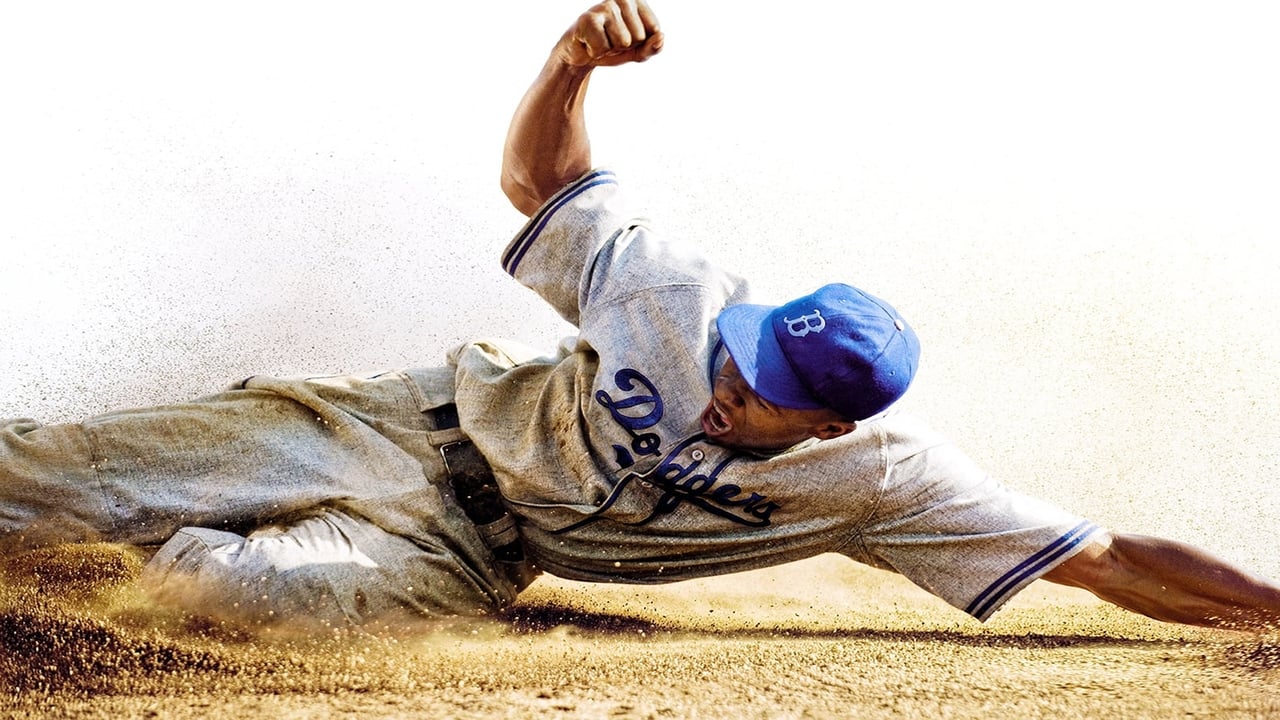
There was a long road ahead. If African Americans dreamed of playing baseball, it was not for the Yankees, but for teams like the Kansas City Monarchs of the Negro leagues, where the barnstorming style of play stood in contrast to the Majors. In 1946, there were 16 Major League baseball teams, with a total of 400 players on their rosters. Every one of the 400 players were white. But when opening day came in 1947, that number dropped to 399, and one man stood apart.
